A high-profile diplomatic move is set to draw global attention as China’s top leadership prepares for a rare trip to North Korea. The visit comes at a time when global powers are actively reshaping alliances, and conversations around security in East Asia remain tense.
The planned meeting between two long-standing neighbors carries weight not just for regional politics but also for wider geopolitical signals involving Washington, Moscow, and Pyongyang.
The trip marks a notable moment in international engagement, with several overlapping diplomatic threads converging around the Korean Peninsula.
A Rare Diplomatic Trip in Motion
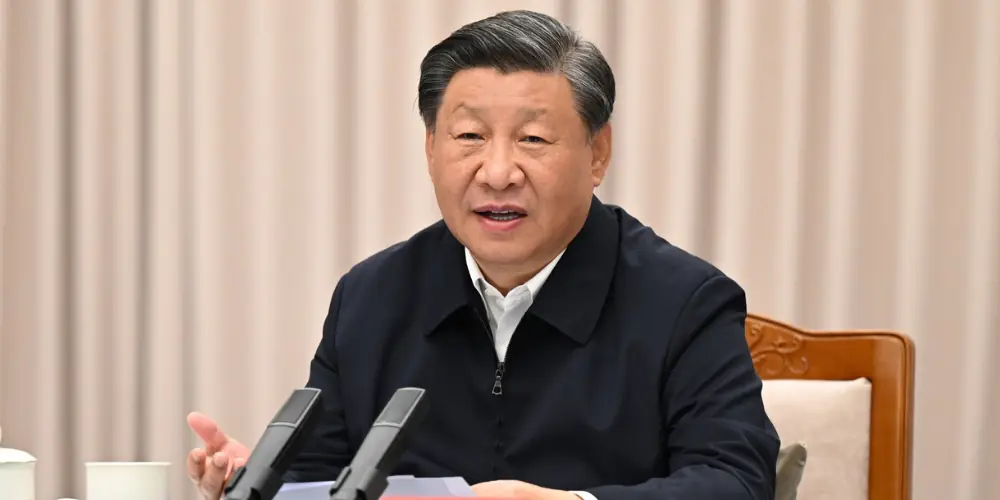
Xi Jinping will travel to North Korea next week for a two-day state visit beginning Monday. The announcement was confirmed by China’s state news agency Xinhua and later echoed by North Korea’s KCNA.
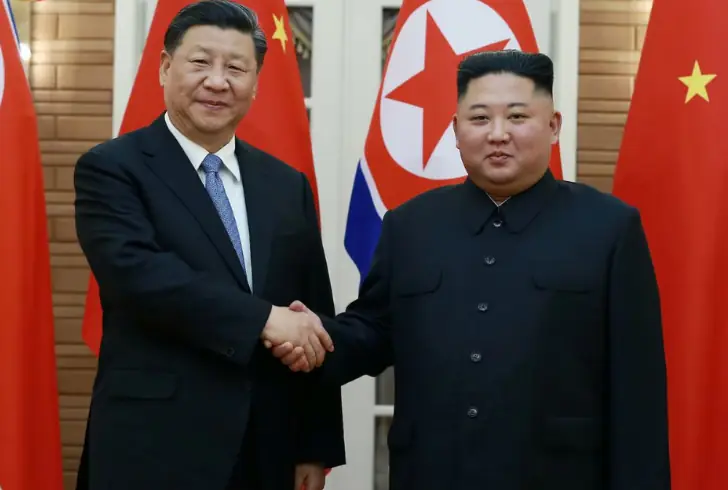
During the visit, Xi will meet North Korean leader Kim Jong Un. This will be Xi’s first trip to North Korea since 2019 and his first overseas visit of the year.
The timing follows a period of intense diplomatic activity in Beijing. Xi has already hosted several world leaders, with reports indicating 17 foreign leaders visited China in 2026, according to a CNN tally. He is also expected to meet the leader of Laos in the same week.
Xi’s last foreign trip before this year took place in October, when he attended the Asia-Pacific Economic Cooperation summit in South Korea. That event also included a meeting with Donald Trump.
Timing Tied to Global Power Talks
The visit comes shortly after Xi hosted both Donald Trump and Vladimir Putin in separate, closely spaced meetings in Beijing. That sequence has added weight to China’s positioning in global diplomacy.
Xi and Kim last met in September during a military parade in Beijing, where both leaders appeared alongside Putin in a display widely interpreted as a signal of alignment among the three governments.
A Chinese foreign ministry spokesperson, Mao Ning, stated in May that exchanges between China and North Korea “serve the interests of two sides as well as peace and stability in the region.”
The upcoming trip also coincides with the 65th anniversary of the 1961 China–North Korea Treaty of Friendship, Cooperation and Mutual Assistance, a pact that remains China’s only formal mutual defense agreement.
Beijing–Pyongyang Relationship Under Watch
China remains North Korea’s most important economic partner, accounting for the bulk of its external trade. This dependence makes Beijing a central player in Pyongyang’s economic survival and diplomatic access.
At the same time, the relationship has shown signs of strain in recent years. North Korea’s pandemic-era border closure slowed exchanges significantly. Later, Pyongyang’s closer ties with Moscow added another layer of complexity to its foreign relations.
Russia’s growing involvement has been visible through high-profile visits. In 2024, Putin traveled to Pyongyang for a widely publicized summit. The visit included ceremonial displays and the signing of a mutual defense agreement, underscoring deepening cooperation.
Observers are watching closely to see how Xi is received compared to that visit, which featured extensive pageantry and symbolic gestures.
Nuclear Tensions and the U.S. Angle
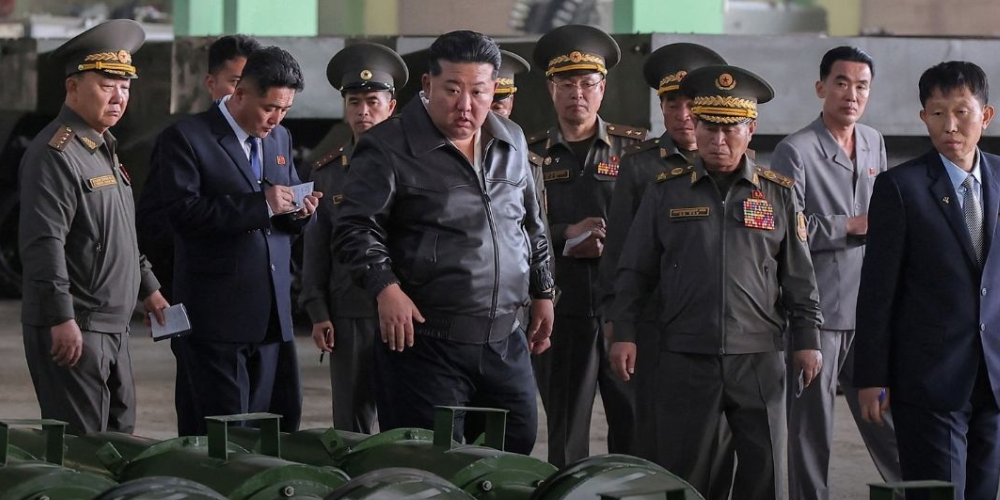
The North Korean nuclear program remains central to regional tension. During a recent inspection of a weapons-grade nuclear material facility, Kim Jong Un said Pyongyang plans to “beef up our state’s nuclear forces at an exponential rate,” according to state media.
Since the breakdown of earlier negotiations during the previous Trump administration, North Korea has continued advancing its nuclear capabilities despite international sanctions.
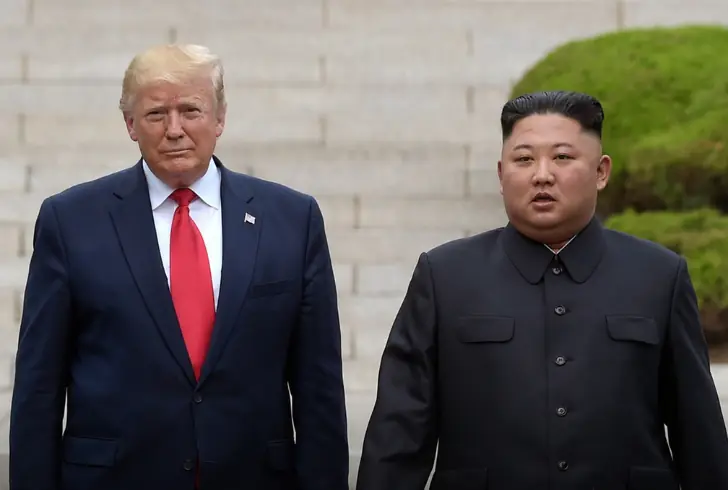
Donald Trump and Kim previously held three meetings during Trump’s first term, aimed at discussing denuclearization. While those talks ended without a lasting agreement, Trump has shown interest in resuming dialogue.
A White House briefing earlier noted that both Trump and Xi share a “shared goal to denuclearize North Korea.” The issue was also part of discussions during Xi’s recent meeting with Trump in Beijing.
However, Pyongyang has indicated that future talks would depend on the United States abandoning its denuclearization demand, leaving the path forward uncertain.
Strategic Signals Across the Region
Beyond nuclear concerns, the visit also reflects shifting alignments across Asia. North Korea has strengthened ties with Russia, including reports of troop deployments supporting Moscow’s military efforts in Ukraine.
Meanwhile, China continues to balance its role as North Korea’s main economic partner with concerns over regional stability. Any escalation in weapons testing or sanctions pressure could directly affect China due to shared border risks.
Global developments add further context. The United States has taken a more assertive stance under Trump’s foreign policy direction, focusing attention on countries such as Venezuela, Cuba, and Iran. In parallel, Japan has increased defense spending, adding to regional security recalibration.
Xi’s visit, therefore, sits at the intersection of economic dependence, security concerns, and shifting global alliances.
The meeting between Xi Jinping and Kim Jong Un highlights a key moment in China–North Korea relations amid ongoing nuclear tensions and rising global competition involving the U.S. and Russia.
As China marks an important treaty anniversary, the visit is expected to signal how both sides view their partnership and could shape future security dynamics in Northeast Asia.