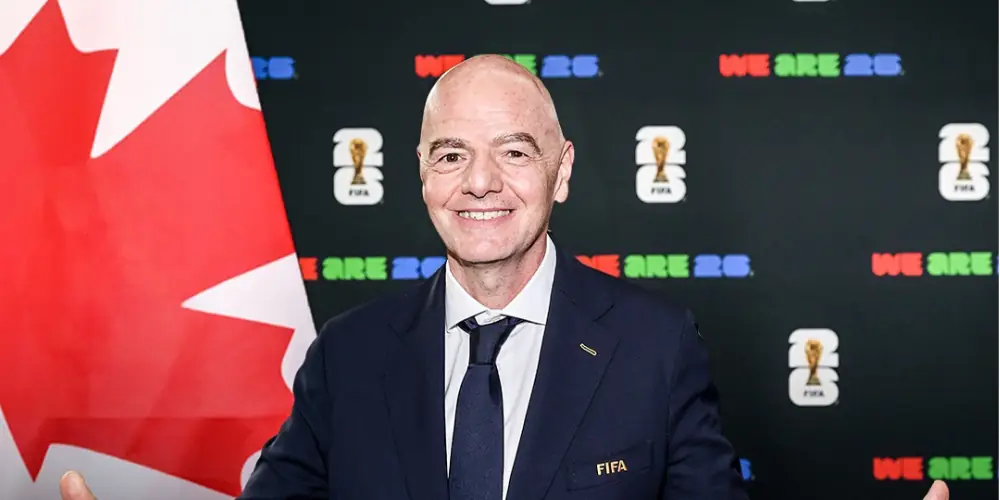
The FIFA World Cup has long been celebrated as the biggest stage in international soccer, bringing together fans, players, and nations every four years. Yet the tournament is changing at a remarkable pace.
With larger competitions, record-breaking commercial deals, and growing influence in club soccer, FIFA is preparing to announce financial results that could reshape discussions about the sport’s future.
While the organization is expected to celebrate unprecedented revenue, many supporters are questioning whether commercial success is beginning to outweigh the traditional World Cup experience.
FIFA Nears a Historic Revenue Milestone
FIFA President Gianni Infantino has consistently supported expanding international competitions, and the 2026 FIFA World Cup reflects that vision. The tournament will feature 48 national teams instead of 32 and will be hosted across the United States, Canada, and Mexico, making it the largest World Cup in history.
The expansion follows the debut of the 32-team FIFA Club World Cup in the United States, where the competition carried a $1 billion prize pool. Reports also suggest that Infantino favors increasing both the Club World Cup and the FIFA World Cup to 64 teams in future editions, signaling an even broader global footprint for FIFA competitions.
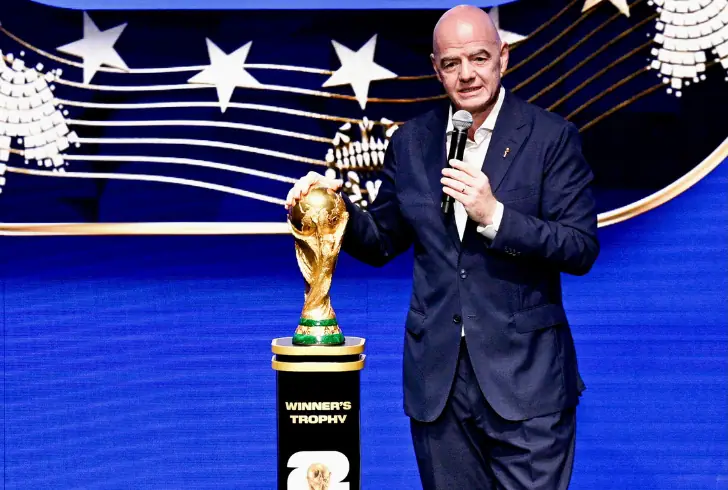
According to The Guardian, FIFA initially projected $13 billion in revenue for its latest four-year financial cycle. However, member associations have reportedly been informed to expect an official announcement closer to $15 billion, setting a new financial benchmark for world soccer.
Commercial Growth Takes Center Stage
The latest tournament showcased FIFA’s growing commercial strategy. Corporate hospitality, sponsorship activations, premium seating, and exclusive events became central parts of the World Cup environment.
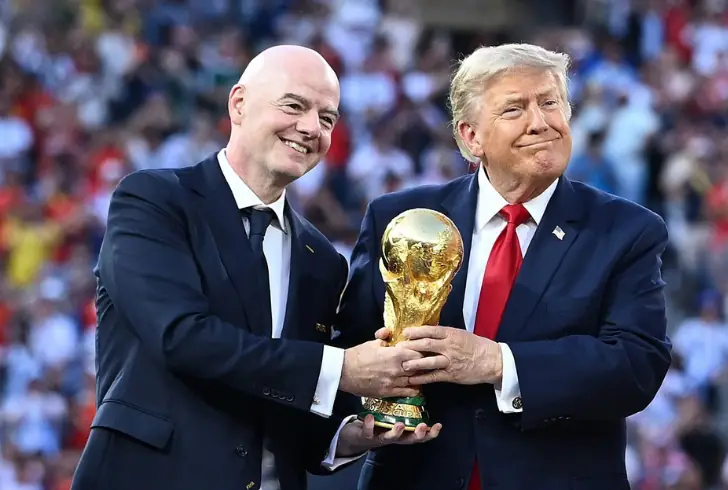
Spain secured the championship in New Jersey after defeating Argentina in the final. FIFA President Gianni Infantino watched the match alongside U.S. President Donald Trump. During the trophy celebration, Trump drew attention by attempting to join Spain’s players on the podium before later greeting Saudi Public Investment Fund Governor Yasir Al-Rumayyan.
Unlike the 2022 World Cup final, however, internet personality Salt Bae was absent from the celebrations.
Throughout the tournament, FIFA House served as an exclusive private venue for sponsors, executives, and invited guests, underscoring the organization’s growing focus on premium experiences and commercial partnerships.
Ticket Prices and Revenue Streams
One of the biggest talking points surrounded ticket pricing.
Reports indicated that the median entry price across the tournament’s 104 matches reached approximately $1,000, making attendance difficult for many traditional fans. Premium seats positioned near the field for the championship match reportedly sold for as much as $1 million.
FIFA also introduced additional ways to generate income. The organization announced plans to sell small pieces of the playing surface from MetLife Stadium after the final, hoping the collectibles could generate revenue in the seven- or even eight-figure range.
These initiatives reflect FIFA’s broader strategy to maximize revenue from nearly every aspect of its flagship event.
Resale Market and Broadcasting Deals
Another significant change involved FIFA’s official ticket resale platform.
Rather than limiting secondary ticket sales, FIFA allowed fans to resell tickets through its own marketplace while reportedly collecting a 30 percent commission on each resale transaction. As tickets changed hands multiple times, FIFA benefited from repeated service fees, creating another profitable revenue source.
Broadcasting agreements have also become increasingly valuable. U.S. television rights for the 2030 and 2034 FIFA World Cups are projected to reach $3 billion, compared with approximately $485 million for the current cycle.
Hydration breaks have also attracted attention because they divide matches into additional broadcast segments. Those scheduled pauses provide broadcasters with more advertising opportunities, increasing the value of television rights.
The expanded tournament’s financial success could strengthen Gianni Infantino’s vision for FIFA’s future. Higher revenues may push the organization toward larger competitions and greater focus on commercially valuable markets.
Donald Trump has suggested that the World Cup could return to the United States as a standalone host in the future. A revenue figure approaching $15 billion could increase the appeal of future tournaments in major global markets.
FIFA’s growing commercial approach, including bigger tournaments, premium ticketing, and expanded media deals, continues to reshape the World Cup. However, it also raises concerns about finding the right balance between financial growth and preserving the traditions that define the tournament.