
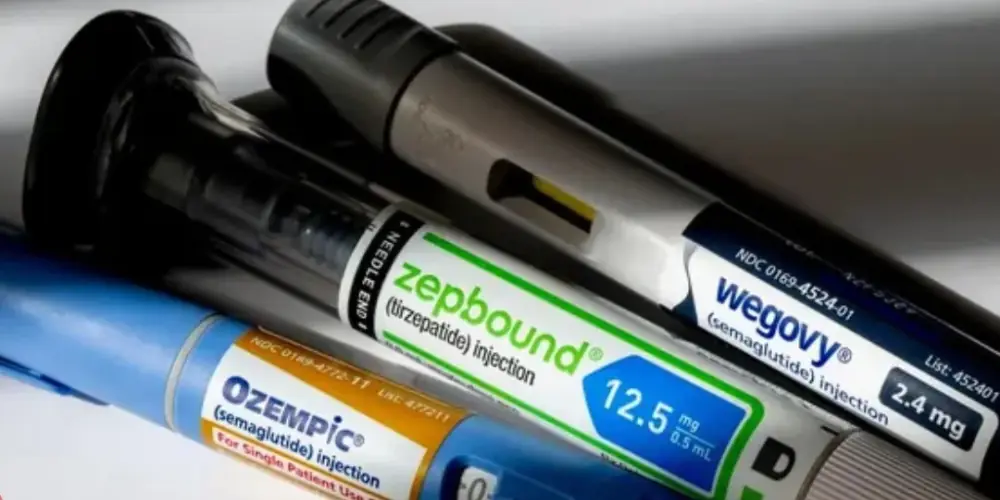
GLP-1 medications such as Wegovy and Zepbound are usually increased over time to reach their recommended maintenance doses. New research suggests that some people may still lose weight while staying on the lowest doses for a longer period.
The findings may add another option to the discussion around weight management, especially for people who have difficulty tolerating higher doses.
The study, published in Biology Methods & Protocols on August 31, examined health records from people using semaglutide or tirzepatide. The researchers found measurable weight loss among people who remained on low doses for at least six months.
However, the study does not prove that intentional “microdosing” is an effective treatment approach, and using these medications outside their approved dosing schedules is not FDA- or manufacturer-approved.
What the Study Found
Researchers reviewed electronic health records from 814 people who met the study definition for sustained low-dose semaglutide. This included at least three 0.25-milligram doses over a period of six months or longer. Semaglutide is the active ingredient in medications such as Ozempic and Wegovy.
The researchers also examined 1,016 people taking sustained low-dose tirzepatide. The study defined this group as people receiving 2.5-milligram doses for at least six months. Tirzepatide is used in Mounjaro and Zepbound.
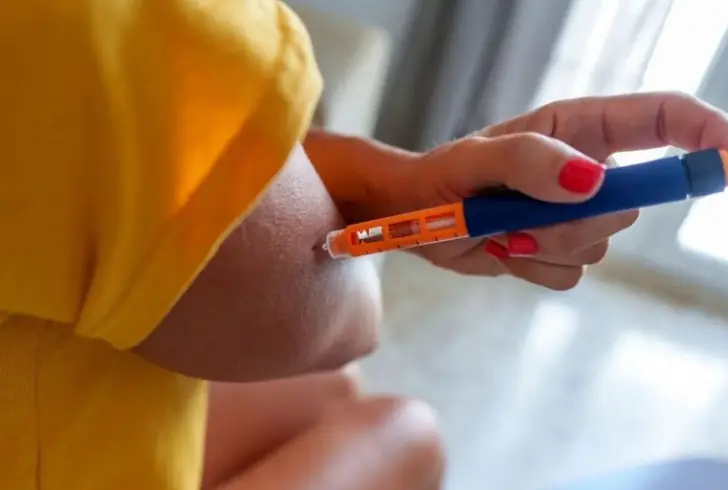
After one year, people taking low-dose tirzepatide lost about 5.5% of their body weight. Those taking low-dose semaglutide lost about 2.2%.
The study also compared people using low-dose and high-dose semaglutide after matching participants by age, sex, body mass index, and type 2 diabetes status. The low-dose group had about 1.7% weight loss, compared with roughly 12% in the high-dose group.
These numbers show an important difference: lower doses may still produce weight loss, but the amount may be smaller than what people experience with higher maintenance doses.
Is This the Same as Microdosing?
The term “microdosing” has become common on social media and among some celebrities who discuss taking smaller amounts of medications. However, the researchers did not establish that the people in this study were intentionally microdosing.
The study instead looked at people who stayed on low doses for an extended period. That distinction matters because the research cannot confirm that deliberately changing a medication schedule will produce the same results.
Venky Soundararajan, PhD, co-founder and chief scientific officer for nference and a co-author of the study, told Healthline that the findings point toward a possible treatment approach focused on achieving cardiometabolic benefits with fewer side effects.
He described the observed weight reduction as “modest sustained weight loss in the 2-7% range from baseline” and said the findings may encourage greater attention to how much medication an individual actually needs.
Soundararajan also noted that weight reductions remained visible during the 15-month follow-up. This raises the possibility that an initial dose could serve as a longer-term maintenance strategy for some patients who have already reached their desired weight or cardiometabolic goals.
Lower Doses Still Have Side Effects
Taking a lower dose may reduce some side effects for certain people, but it does not remove the risk.
Common side effects associated with GLP-1 medications include nausea, vomiting, diarrhea, constipation, and reactions at the injection site.
According to Soundararajan, low-dose tirzepatide produced somewhat greater weight loss in the study. However, low-dose semaglutide showed a more favorable overall adverse-event pattern.
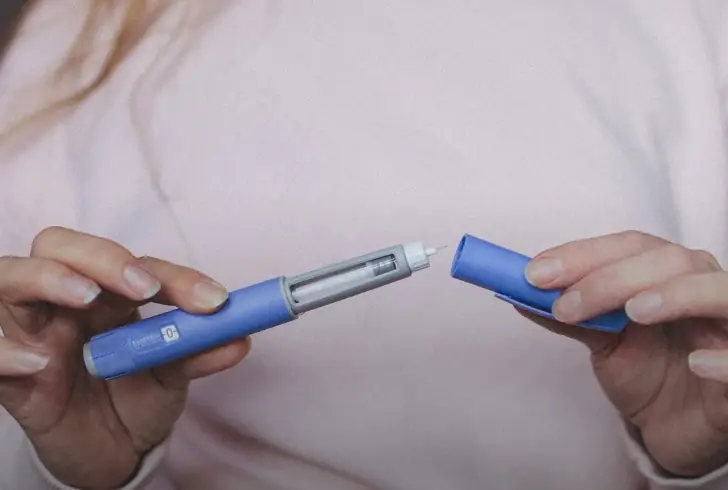
Compared with people who increased semaglutide to conventional higher doses, those who remained on the lowest dose had lower 24-month rates of constipation, nausea, and low blood pressure. The reported rates were 23.3% versus 36.3% for constipation, 39.7% versus 50.1% for nausea, and 1.7% versus 5.4% for low blood pressure.
Soundararajan said this could shift the focus from asking only how much weight a medication can help someone lose to asking, “What is the lowest dose that achieves this patient’s cardiometabolic goals with the best tolerability?”
Higher Doses May Still Be Needed
Mir Ali, MD, medical director of MemorialCare Surgical Weight Loss Center at Orange Coast Medical Center in Fountain Valley, California, was not involved in the research. He said the results were not surprising because some people can lose meaningful weight while taking the lowest dose.
Ali also stressed that responses differ from person to person. Some patients may eventually stop losing weight while taking a starter dose. Others may find that a lower dose provides satisfactory results.
“For many people, gradually increasing the dose may be necessary to achieve greater or continued weight loss,” Ali explained. He added that the right dose depends on a person’s response, treatment goals, and ability to tolerate the medication.
The findings do not establish low-dose GLP-1 treatment as a replacement for standard dosing schedules. While some people may continue to lose weight on lower doses, higher doses produced greater weight loss in the semaglutide comparison.
Individual responses can vary, so some patients may benefit from staying at a lower dose, while others may need gradual increases. More research is needed to determine which approach works best for different patients.
Any dose change should be made with guidance from a healthcare professional rather than based on social media trends around “microdosing.”