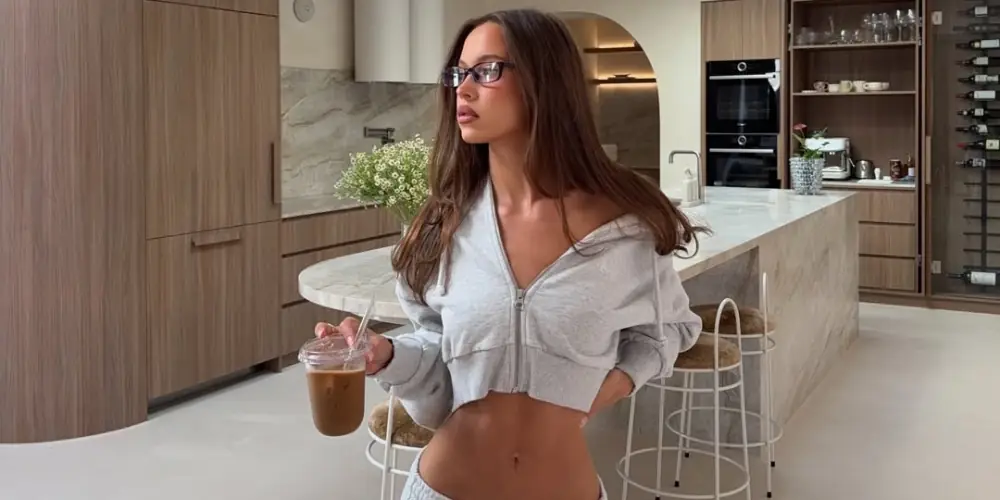
An activewear campaign post by Australian influencer Isabelle Mathers has drawn intense online attention after viewers began questioning whether her photos had been digitally altered.
What started as a glam Instagram upload quickly shifted into a wider conversation about body image, editing culture, and trust in influencer content. Critics pointed to visual distortions in the background of the image, while supporters and skeptics clashed across platforms like Instagram and Reddit.
The discussion spread rapidly, fueled by zoomed-in screenshots and detailed breakdowns from users convinced something about the image did not match reality.
Viral Activewear Post Sparks Attention
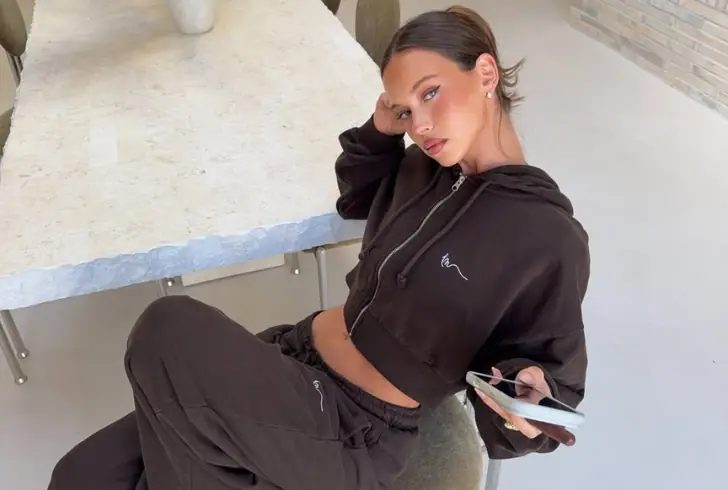
The controversy began with a May 21 Instagram post from Isabelle Mathers, who has over 2.1 million followers. The post promoted activewear brand Crop Shop Boutique and featured a 16-photo series.
Mathers appeared in a deep brown cropped sweatshirt and matching sweatpants layered over a coordinating bra. Across the set, she showed a toned, athletic look that many followers associated with her fitness-focused content.
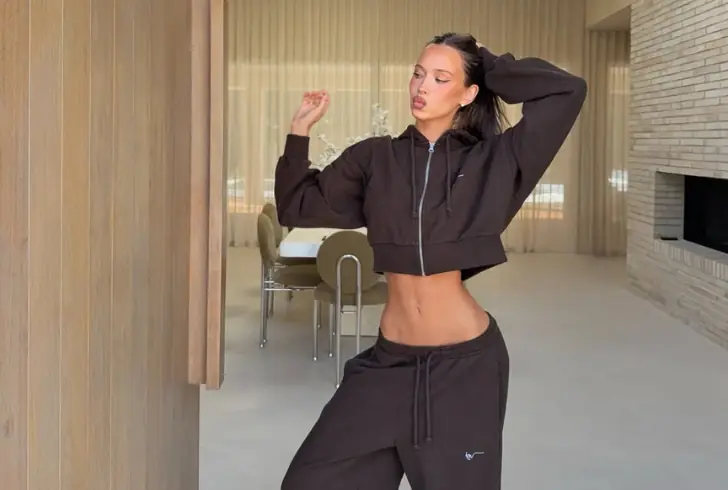
However, one specific image became the center of attention. Viewers claimed the background furniture, especially dining chairs, appeared slightly bent. That detail quickly led to speculation that the stomach area in the image had been edited.
One comment under the post read, “People are saying you edited your photos in a deceptive way,” reflecting the growing suspicion around the image.
Online Reactions and Pixel-Level Scrutiny
As discussions expanded, social media users began analyzing the photo closely, zooming into edges and straight lines in the background. The conversation moved beyond Instagram and landed on Reddit, where users debated the authenticity of the image.
On the r/LAinfluencersnark forum, reactions were sharp and emotional. One user wrote, “I really like her but whyyyyy girl why ?? Is it mental? Why do they photoshop their bodies when they have it perfect. Also so weird how they never take pictures with stomach covered.”
Another commenter added, “Omg this is insane,” arguing that small edits can have a strong impact on viewers who compare themselves to influencers.
Some users also focused on the emotional side of the debate. One comment stated, “She doesn’t need to do this to her pics. I feel bad for Gen Alpha growing up in this culture while they are just in their teenage years. Gen Z didn’t have to deal with this.”
The conversation reflected how quickly a single post can turn into a larger discussion about digital trust and body expectations online.
Debate Turns Toward Body Image Pressure
As the thread continued, opinions split between skepticism and defense. Some users questioned whether any editing had actually taken place. One comment suggested a softer explanation, saying, “Her stomach does actually look this way, not too sure why she edited this specific image, only thing I can think of would be she was bloated, idk,”
That view was met with pushback from others who argued that even minor edits can distort perception. One response stated, “Not too sure why she needed to hide that, literally happens to most people, if not everyone.”
The discussion highlighted how small visual changes can carry outsized meaning online, especially when fitness-focused content is involved.
Broader Pattern of Edited Influencer Content
The situation surrounding Mathers is not isolated. Similar controversies have surfaced across social platforms as editing tools become more common in influencer content.
One widely discussed case involved Lauren Blake Boultier, who faced backlash after posting a courtside photo from the Miami Open. Online users later identified that the image appeared to match a post originally shared by model Tatiana Elizabeth from the US Open at Arthur Ashe Stadium in Queens.
The overlap included identical outfit details, wrist tattoo placement, and the same courtside setting. The only major change appeared to be Boultier’s face placed over the original image. After criticism spread, Boultier said the content had been created by a third-party AI agency she worked with.
The concern around editing apps and AI tools highlights how influencer content is being reshaped, making it harder to separate original images from altered ones.
Audience reactions to Isabelle Mathers’ activewear post also show a shift in how online photos are judged. With easy access to editing tools, even small visual changes are now closely examined, often leading to public discussion when body image appears affected.