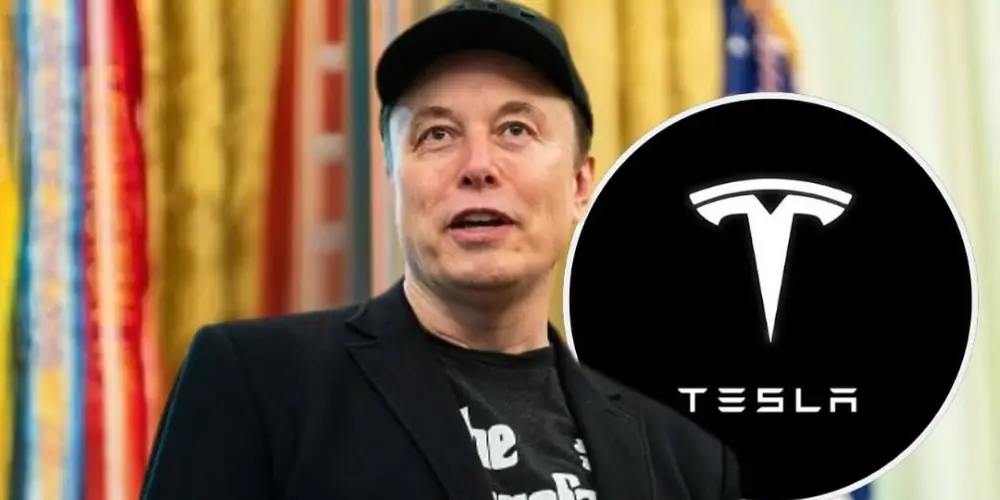
Tesla has once again captured the spotlight by rolling out a bold new pay package for Elon Musk. Already the richest individual on Earth, Musk now stands on the edge of becoming the world’s first trillionaire if the electric vehicle giant can achieve ambitious growth targets.
The deal reflects Tesla’s reliance on Musk’s leadership while raising new debates about corporate governance, shareholder value, and the future of the EV market.
A Deal That Could Reshape Wealth Records
The newly announced plan will provide Musk 423.7 million more Tesla shares if the company grows to spectacular proportions. At current stock prices, the shares would be valued approximately $143.5 billion. However, the actual number rises considerably higher. If Tesla stock meets the large valuation targets stipulated in the deal, Musk’s pay may rise to $1 trillion.
This deal is not a guaranteed payout. Tesla must first reach an unprecedented market capitalization of $8.5 trillion before Musk unlocks the full package. Currently valued at around $1.1 trillion, Tesla would need to expand almost eightfold to meet that goal. If achieved, it would crown Tesla as the most valuable company in history, doubling the present market worth of Nvidia, which sits at the top today.
Echoes of Past Compensation Packages
This isn’t the first time Tesla has structured Musk’s pay around staggering growth targets. Back in 2018, Tesla shareholders approved another ambitious package, granting Musk options tied to company performance. Despite initial skepticism, Tesla managed to hit those milestones, making Musk’s fortune soar.
However, the 2018 deal has faced legal hurdles. A Delaware judge twice struck it down as improper, even though Tesla shareholders approved it. That legal battle continues, leaving Musk’s compensation history as controversial as it is lucrative.
Currently, Musk owns about 410 million Tesla shares valued at nearly $139 billion. He also holds options for an additional 304 million shares, though those are under dispute due to the Delaware rulings. Even without the new pay package, Musk already controls roughly 18% of Tesla.
What the Deal Means for Tesla’s Future
Tesla’s board explained its decision in a recent proxy statement, emphasizing the importance of keeping Musk focused on the company. Musk manages multiple ventures, including SpaceX, xAI, and the social media platform X (formerly Twitter). The board argued that Tesla must incentivize him to prioritize its growth over other commitments.
The proxy statement also revealed that Musk himself raised concerns during negotiations, suggesting he might shift his focus if not adequately compensated. The board stressed Musk’s unique leadership qualities, saying he has the vision and drive to take Tesla to new heights.
The Role of AI and New Technologies
Tesla isn’t just about electric cars anymore. Musk has long promised that the company’s future lies in artificial intelligence, autonomous driving, and robotics. He has teased the rollout of robotaxis and humanoid robots, predicting they could generate more revenue than Tesla’s automotive business.
Wall Street analysts like Dan Ives of Wedbush believe these projects justify Musk’s enormous compensation. As Ives told CNN, “It’s a big pay package but Tesla needs to keep its biggest asset in Musk as CEO. In this AI era Musk now will drive its next leg of growth.”
Yet skepticism lingers. Critics note that Musk has been making promises about fully self-driving cars since 2014, but Tesla has repeatedly missed its deadlines. Some analysts argue the board is rewarding hype more than results, which could set dangerous precedents.
Proposal for Tesla to Invest in xAI
A startling shareholder suggestion that Tesla should invest in Musk’s privately held artificial intelligence business, xAI, was also included in the proxy statement. xAI recently acquired X, the platform Musk bought for $44 billion in 2022.
Details of the proposed investment remain vague, such as how much Tesla would spend or what ownership stake it would acquire. Still, such a move could further intertwine Musk’s business empire while potentially enriching Tesla if xAI thrives.
Competition and Market Challenges
For all the optimism around Musk’s vision, Tesla faces serious challenges. Chinese automaker BYD is close to overtaking Tesla as the world’s top EV seller. While BYD vehicles are not yet available in the US, their dominance in other markets threatens Tesla’s global leadership.
Regulatory changes in the US also pose hurdles. Traditional automakers once paid Tesla billions for regulatory credits to offset emissions from gas-powered cars. But those penalties have recently been removed, eliminating a lucrative revenue stream.
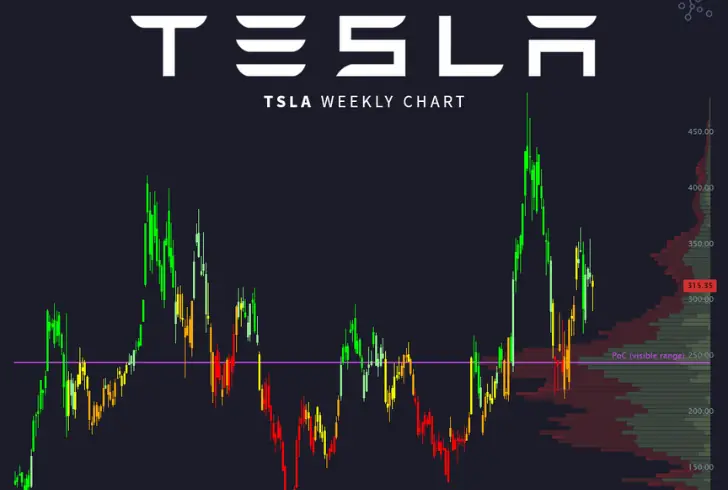
At the same time, Tesla has seen its stock fluctuate wildly. After nearly doubling in late 2024 due to optimism about Musk’s ties to then-President Trump, shares quickly tumbled amid protests, sales declines, and political backlash. Tesla’s stock is still 26% below its peak in December, despite some of those losses having been regained.
Musk’s Push for Control
Beyond wealth, Musk has made it clear he seeks influence. He has publicly stated that he needs to control about 25% of Tesla’s voting shares to feel comfortable leading the company into AI and robotics. Without that level of control, he warned he might shift his energy to projects outside Tesla.
Ross Gerber, an early Tesla investor and CEO of Gerber Kawasaki, regarded Musk’s package as a ploy to cement his authority. “This is all about Musk being scared about being kicked out of Tesla because he only owns 13%,” according to Gerber. He also criticized the sheer size of the deal, questioning how much wealth one person should accumulate in modern society.
Big Promises, Mixed Results
Musk’s ambitious claims have long split opinions. Supporters see him as a visionary, pushing boundaries in ways few CEOs dare. Critics, however, argue he often overpromises and underdelivers.
Analyst Gordon Johnson remains one of Musk’s harshest skeptics. “Elon Musk has been saying since 2014 that we will have a fully autonomous car next year. It hasn’t happened, but that promise has been valued in the billions by Wall Street,” he said. Johnson went further, calling Musk “a master manipulator” for keeping Tesla stock inflated through bold statements rather than consistent delivery.
Looking Beyond Musk
Tesla’s board acknowledged in its proxy statement that it must plan for life after Musk. One condition of the new package requires Musk to help develop a CEO succession framework. The board highlighted its efforts to build a pipeline of internal leadership talent while also considering external candidates.
Still, Tesla insists Musk’s role remains irreplaceable. It described him as singularly equipped to transform Tesla’s mission and maintain its industry leadership. That sentiment underscores why the board tied his future so closely to the company’s trajectory.
Wealth, Technology, and Questions
If Tesla achieves the $8.5 trillion valuation, Musk’s wealth could surpass anything previously recorded. Yet this raises broader questions: How much should one individual accumulate in a world of deep economic inequalities? And is it wise to tie so much of Tesla’s future to Musk, given his divided focus across multiple ventures?
The deal also highlights the blurred lines between personal ambition and corporate strategy. While it may motivate Musk to prioritize Tesla, it could also push the company toward lofty goals that boost stock price growth rather than steady business fundamentals.
Tesla’s Defining Gamble
Tesla’s pay package for Musk is more than just a financial arrangement—it’s a bet on the future of technology, leadership, and shareholder faith. The company is wagering on ambitious milestones, from robotaxis and humanoid robots to AI breakthroughs, that could redefine industries and personal wealth.
Yet the risks remain immense. Critics point to missed promises and intensifying competition, while supporters see Musk as indispensable to Tesla’s bold vision. One fact is clear: Musk continues to dominate headlines, stir debate, and shape the trajectory of one of the world’s most influential companies.