
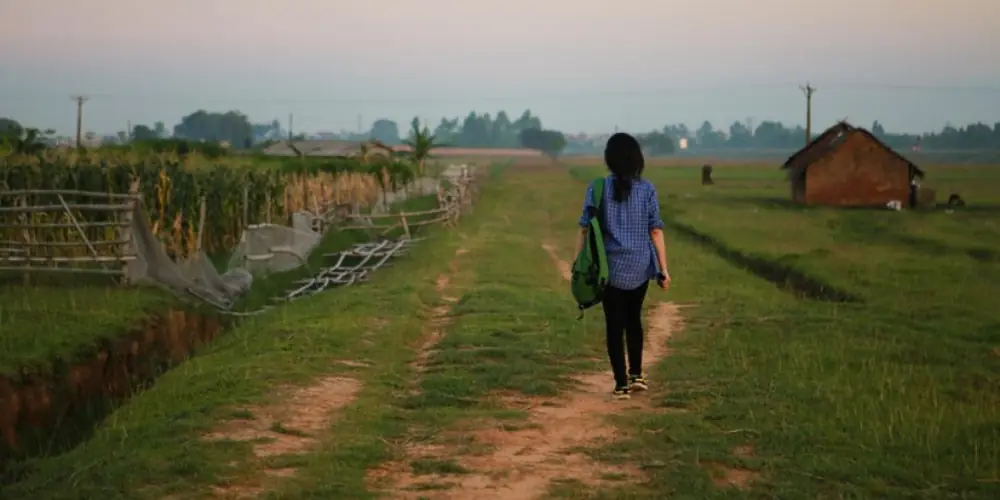
The trend of millennials leaving urban centers and embracing life in rural areas has captured significant attention in recent years. Census data reveals that this shift is not just a temporary phase but a growing phenomenon among young adults aged 25 to 44. These individuals, often working professionals or parents, are trading city life for rural living due to various benefits, including affordability, mental health, and community.
This migration has been particularly evident since 2020, a period marked by the global pandemic, which reshaped priorities and lifestyles. While health concerns largely drove urban flight during that time, millennials have continued to move to rural areas for deeper, long-term reasons.
What Drives Millennials to Choose Rural Living
Strengthening Community Connections

A key motivator for this shift is the opportunity to build meaningful relationships. In rural settings, the sense of community is often much stronger than in bustling metropolitan environments. For example, many individuals report that they now know their neighbors personally, creating a feeling of safety and belonging. Unlike cities, where interactions often feel fleeting, small towns allow for deeper, more genuine connections.
One millennial, a social media manager who relocated to North Carolina, shared that her favorite aspect of rural living is the ease of forming bonds with strangers. From local yoga classes to friendly coffee shop baristas, building relationships comes naturally in these settings.
Mental and Physical Health Benefits
Mental health is another driving factor behind the move to rural areas. Experts agree that the slower pace of rural living significantly reduces stress levels. City environments, with their noise, dense populations, and fast-paced lifestyles, can overstimulate the brain and contribute to chronic stress. In contrast, rural settings provide a calm and quiet atmosphere, ideal for mental clarity and emotional well-being.
Biopsychologists explain that spending time in nature—a common feature of rural life—helps regulate the body’s stress response system. This, in turn, lowers cortisol levels and improves emotional stability. Additionally, rural living encourages outdoor activities like hiking, which not only promotes physical health but also offers opportunities for mindful relaxation.
For families, rural areas also provide children with more opportunities to play outdoors, reducing screen time and promoting healthy development.
The Science Behind Rural Living
How Nature Heals
Scientific studies continue to back the benefits of living in rural areas, particularly when it comes to time spent in natural surroundings. The absence of urban stressors like constant traffic and noise pollution allows the brain to rest, leading to improved focus and emotional balance. Nature’s calming effect helps regulate the amygdala, the part of the brain that controls stress responses, creating a sense of overall well-being.
Spending time outdoors has also been linked to reduced symptoms of anxiety and depression. Whether it’s enjoying scenic hikes or simply relaxing in a backyard, the connection with nature is a powerful tool for mental health improvement.
Closer, Supportive Communities
Small-town living often fosters a sense of togetherness and support that many millennials find appealing. Rural communities tend to be close-knit, offering social connections that significantly improve mental health. People in these areas frequently experience a stronger sense of belonging, which reduces feelings of loneliness and isolation often reported in cities.
The Challenges of Rural Living
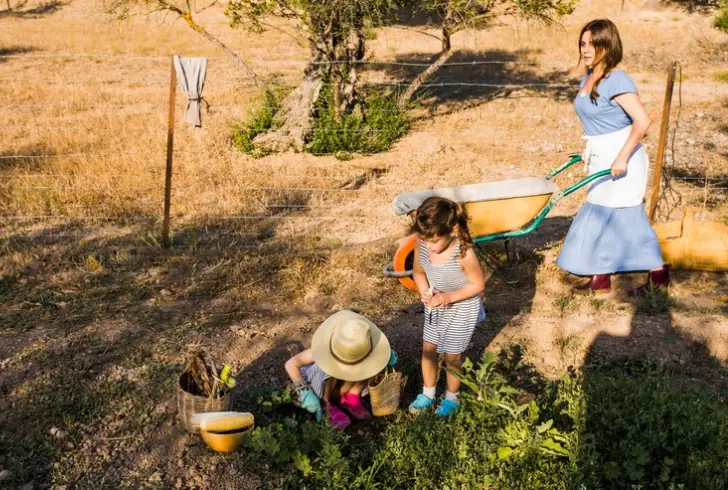
While the benefits of moving to rural areas are undeniable, there are some challenges to consider. Access to amenities like restaurants, grocery stores, and entertainment can be limited. For those used to the convenience of city life, rural living requires careful planning. Subscription services and occasional trips to nearby cities often become necessary to fill these gaps.
Additionally, rural areas may not have the same level of access to healthcare facilities, public transportation, or cultural events. However, many find that the trade-offs—lower stress, stronger community ties, and more affordable living—are worth it.
Unexpected Discoveries
Many former city dwellers are surprised by the diversity and vibrancy they encounter in rural communities. Contrary to stereotypes, rural areas often attract people from a variety of backgrounds, creating a rich tapestry of experiences and perspectives.
One individual noted that their neighborhood included people from across the United States, each bringing unique stories and skills. Such diversity adds an unexpected layer of interest to rural living, further enhancing the sense of community.
A Lifestyle Worth Considering
Ultimately, the migration of millennials to rural areas highlights a broader cultural shift. For those seeking a more balanced lifestyle, closer relationships, and improved mental health, rural living offers an attractive alternative to the hectic pace of urban centers.
This growing trend reflects changing values, as millennials prioritize experiences and well-being over the fast-paced grind often associated with city life. While rural living isn’t without its challenges, the benefits of affordability, tranquility, and meaningful connections make it a compelling choice for many.
By moving to rural areas, millennials are redefining modern living, proving that the grass truly can be greener on the other side.