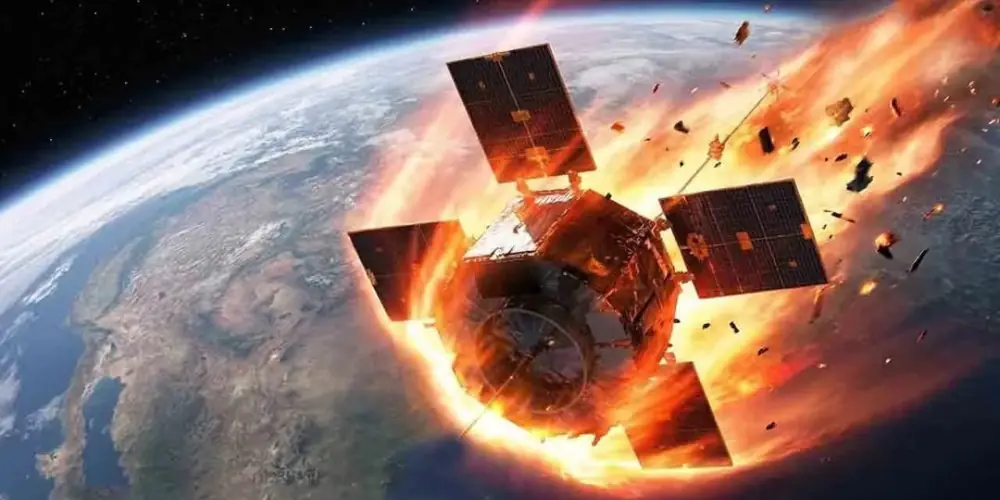
A 1,323-pound satellite, Van Allen Probe A, is scheduled to crash back into Earth on Tuesday after orbiting the planet for 14 years. NASA predicts re-entry around 7:25 p.m., though the timing could shift by up to 24 hours.
Despite the dramatic return, experts stress that the risk to humans is extremely low. Most of the spacecraft will disintegrate while passing through the atmosphere, with only a few fragments expected to survive the descent. NASA estimates the odds of causing harm at just 1 in 4,200.
Van Allen Probe A spent seven years studying the Van Allen belts, the charged particle regions trapped by Earth’s magnetic field. These belts act as a shield against cosmic radiation, solar storms, and the solar wind, which can be hazardous to humans and technology.
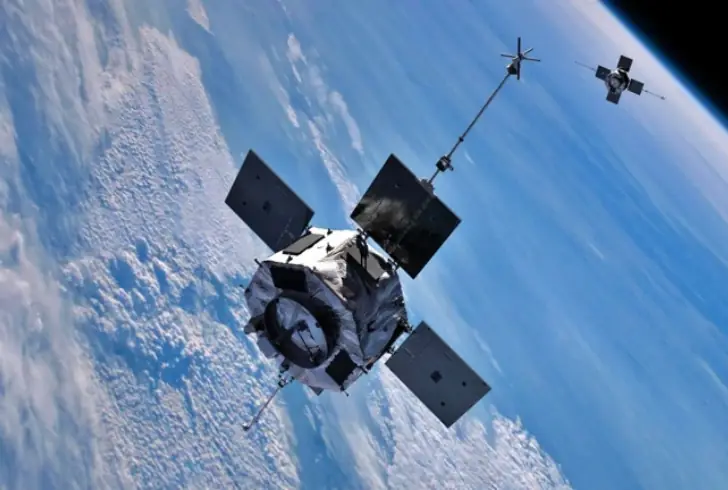
Findings from the mission have already improved space weather predictions, helping scientists safeguard satellites, astronauts, and terrestrial systems, including communications, navigation, and electrical grids. NASA emphasizes that these insights will remain valuable for years to come.
Van Allen Probe B, the twin satellite, will not re-enter Earth’s atmosphere until 2030. NASA and the U.S. Space Force will continue to track Probe A’s descent closely and update forecasts as needed, ensuring public safety while monitoring this rare celestial event.