It might seems surprising to hear, but did you know that there are some American foods banned in other countries? The global culinary landscape is as diverse as the cultures that populate it. Each region boasts its own unique flavors, ingredients, and dietary regulations. What may be considered a pantry staple in one country could be forbidden in another due to health concerns or ethical standards.
Stove Top Stuffing
A beloved Thanksgiving companion in many American households, stove-top stuffing finds itself on the list of foods banned in other countries. The reason? Some countries have stringent regulations on the amount and types of preservatives food can contain.
Stove Top Stuffing’s unique blend of ingredients – preservatives like BHA and BHT – which are used to maintain freshness, have raised health concerns elsewhere. These chemicals have been linked to potential health risks, leading some countries to err on the side of caution and ban products containing them.
Twinkies
The iconic golden sponge cake with creamy filling is a symbol of American snack culture. However, their ingredient list, featuring preservatives such as sorbic acid and various artificial flavors and colors, has put them on the banned foods list in several countries.
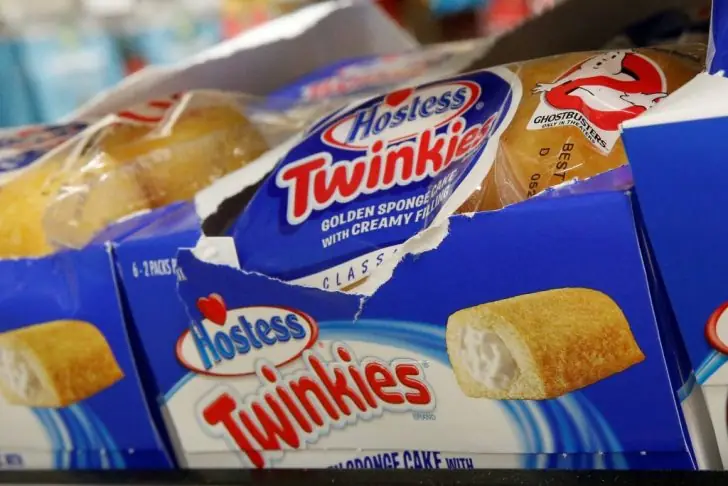
Concerns over artificial additives and their impact on health have led to stricter food regulations outside the U.S., preventing the sale of Twinkies in these regions.
Ritz Crackers Are an Example of American Foods Banned in Other Countries
With their buttery flavor and delicate crunch, Ritz Crackers are a go-to snack for many Americans. Yet, in some countries, they are banned due to the inclusion of partially hydrogenated oils, a source of trans fats.
Recognized for their adverse effects on heart health, trans fats have been significantly reduced or banned in foods by several health organizations worldwide, leading to the exclusion of products like Ritz Crackers from these markets.
Skittles
The rainbow-colored candies that invite you to “taste the rainbow” are another victim of the ban on certain artificial coloring agents. Some countries have banned or restricted the use of artificial colors, such as Red 40, Yellow 5, and Yellow 6, found in Skittles. The reason? It is due to links to behavioral issues in children and other health concerns.
This has resulted in Skittles being barred from these markets or reformulated to comply with local regulations.
U.S. Pork
The issue with U.S. pork in international markets primarily revolves around the use of ractopamine, a feed additive used to promote leanness in pigs. While approved for use in the United States, ractopamine has been banned in over 160 countries. Why? Well, it is due to concerns about its effects on animal health and potential residual impact on human consumers.
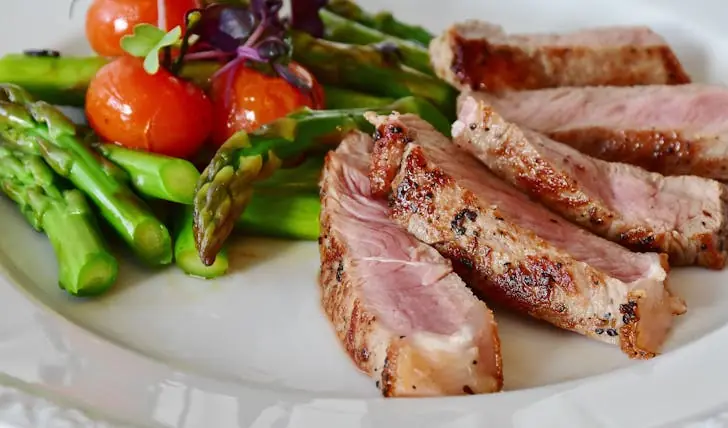
Thus, this has led to a significant restriction on the import of U.S. pork in many parts of the world.
Swiss Rolls
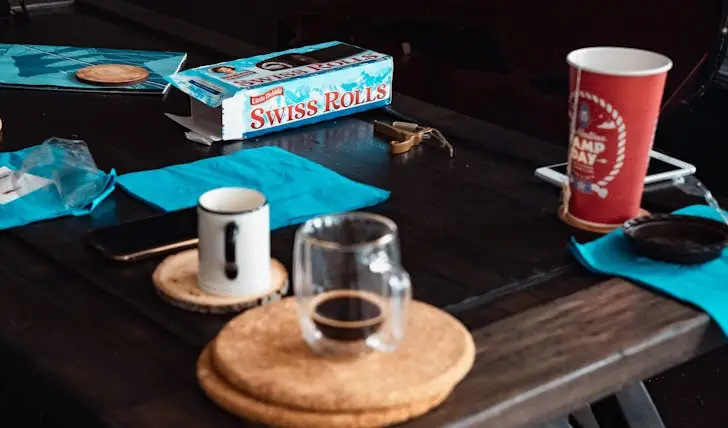
These rolled, cream-filled cakes are not immune to the scrutiny of international food regulators. Like Twinkies and Ritz Crackers, the concerns here revolve around artificial additives and trans fats.
The presence of these ingredients in Swiss Rolls has led to their ban in countries that have strict guidelines on food additives and trans fat content, prioritizing public health over the preservation of shelf life and flavor enhancement.
Coffee-Mate Coffee Creamer
Finally, Coffee-Mate Coffee Creamer is known for its ability to transform a plain cup of coffee into a creamy delight. It contains trans fats and artificial sweeteners among its ingredients.
These components have raised health concerns, particularly regarding heart health and diabetes. Consequently, this has led to its ban in countries that have taken a firm stance against trans fats and certain artificial sweeteners.