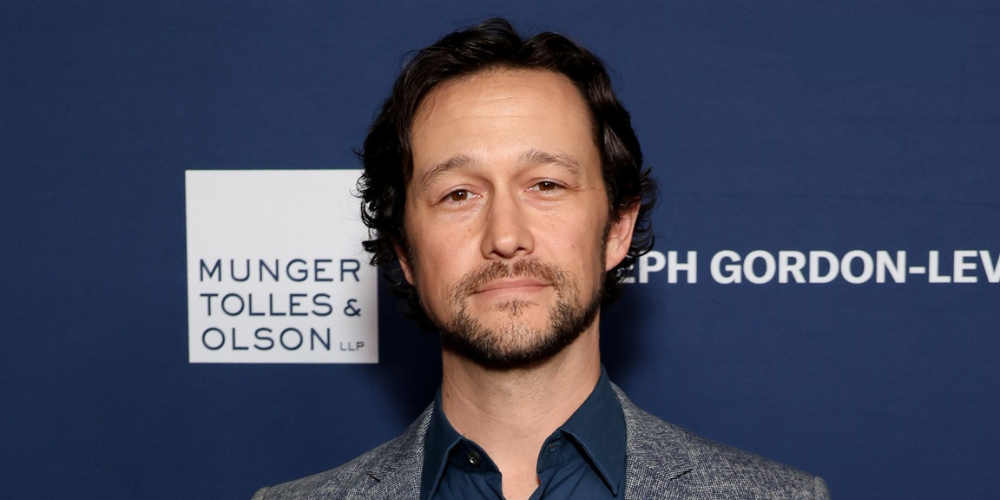
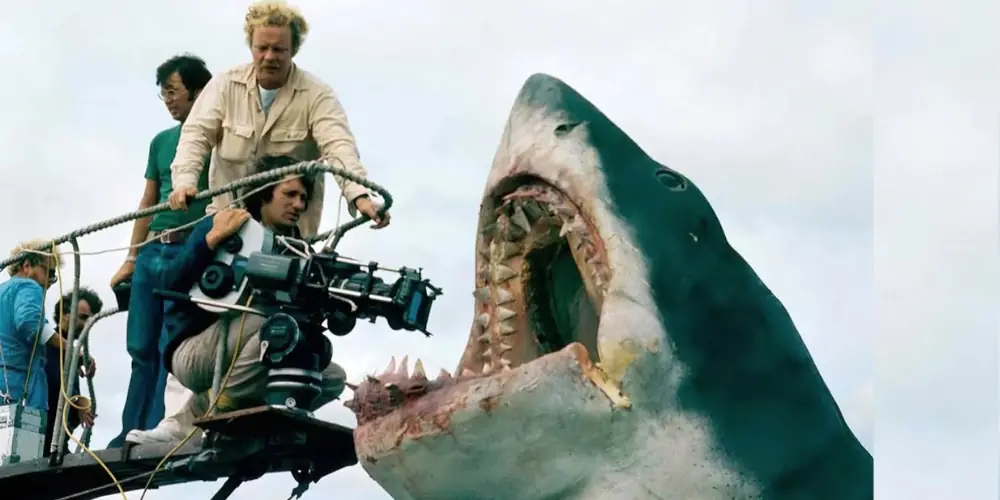
Richard Dreyfuss hasn’t stepped into the ocean in fifty years—not since filming “Jaws.” The actor behind marine biologist Matt Hooper still vividly recalls the chilling power of what lurks beneath the waves. That reaction wasn’t unique.
When “Jaws” premiered in June 1975, it not only redefined how audiences perceived sharks, but it also flipped the Hollywood calendar upside down.
The film sparked panic in beach towns across the U.S., while giving birth to what became known as the modern summer blockbuster. This monster shark thriller didn’t just break box office records—it changed the rules of movie-making forever.
The Reluctant Hero and Spielberg’s Gamble
Directed by Steven Spielberg and based on Peter Benchley’s novel, “Jaws” told the tale of a great white shark terrorizing the fictional beach town of Amity Island. Tasked with killing the beast were police chief Martin Brody, fisherman Quint, and Hooper, the marine biologist. Spielberg cast Roy Scheider, Robert Shaw, and Dreyfuss in those iconic roles.
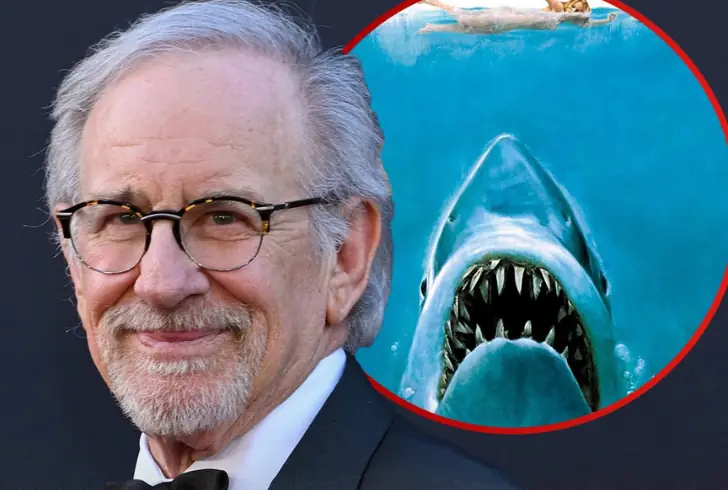
Ironically, Dreyfuss initially declined the part. He later admitted that after seeing a rough cut of his previous film, he panicked about his career and called Spielberg to ask for the role. While he had feared a difficult shoot, Dreyfuss now remembers long days filled mostly with waiting—not chaos.
Despite the delays and the nearly tripling of the budget—from $4 million to $9 million—the decision to shoot on the open ocean off Martha’s Vineyard lent “Jaws” its raw, haunting realism.
A Shark That Refused to Cooperate
The mechanical shark, nicknamed “Bruce,” rarely worked. Dreyfuss recalls crew members frequently yelling over loudspeakers: “The shark is not working!” Yet this misfortune became the film’s masterstroke.
Spielberg shifted his direction, letting the unseen threat build psychological tension. That limitation created the film’s most memorable feature—fear of what viewers couldn’t see.
John Williams’ now-iconic two-note score elevated that suspense even further. At first, Spielberg assumed the music was a prank. But as the simple “bar-dum, bar-dum” sound swelled beneath opening credits, audiences across the world felt a primal chill.
Behind the Scenes
While the final cut showcased powerful chemistry between Hooper and Quint, rumors have long suggested a feud between Dreyfuss and Shaw. Dreyfuss, however, has consistently denied this. He insists they shared mutual respect, even planning to co-star in future Shakespeare productions. Tragically, Shaw’s early death ended that opportunity.
Dreyfuss still holds immense admiration for his co-star’s talent. He recounts Shaw’s famous monologue about the sinking of the USS Indianapolis. The actor initially ruined the take while intoxicated, but returned sober the next day and nailed it in one unforgettable performance. That scene remains one of Spielberg’s favorites.
From Bookstore to Box Office Smash
Benchley’s original novel gained traction, selling 5.5 million copies before the film hit theaters. Spielberg discovered it through early galley proofs and quickly saw its cinematic potential. Zanuck and Brown, two producers at Universal, purchased the rights for $150,000—well before the book’s success became clear.
Spielberg stripped out several of the book’s subplots, including a mafia tie and an affair between Brody’s wife and Hooper. Instead, he focused tightly on fear, action, and suspense. And it worked. Upon release, “Jaws” grossed over $100 million in U.S. theatrical rentals, an unprecedented figure at the time.
Cultural Shockwave and Marketing Magic
“Jaws” wasn’t just a hit—it became a cultural touchstone. Its tagline, “See it before you go swimming,” became an omen. The film opened on 464 screens, a large number at the time, and gained momentum from an unusually aggressive TV ad campaign. Ice cream promotions, themed merchandise, and media buzz followed.
Lorraine Gary, who played Brody’s wife Ellen, says she never anticipated the legacy. Now 88, she still receives fan mail. Unlike Dreyfuss, she continues to enjoy swimming, even scuba diving near sharks without fear.
Consequences for Sharks—and Science
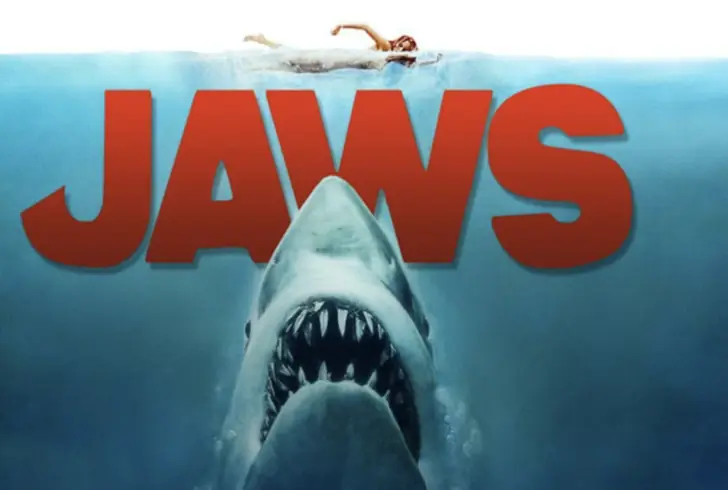
While the film terrified millions, it also sparked unintended harm. Shark populations dropped in the years after the film’s debut. Spielberg himself later expressed deep regret over this. Wendy Benchley, Peter’s widow, says the couple never expected the fictional thriller to fuel real-world shark hunts.
Yet there was a silver lining. Benchley later became a marine conservation advocate. His work inspired many to study sharks, pursue ocean science careers, and challenge public fear with facts.
Impact on Storytelling and Legacy in Film
“Jaws” set the stage for everything from “Star Wars” to “The Avengers.” By treating the release as an event, Spielberg and his team created a marketing model now considered standard. Every major summer tentpole release owes something to “Jaws.”
It also reminded filmmakers that suggestion can be scarier than spectacle. Spielberg credits Alfred Hitchcock for showing him how fear builds through anticipation. Less is more—and in “Jaws,” less shark meant more nightmares.
Living With the Legacy
Dreyfuss rarely watches the film today, but when he catches a scene on TV, he’s pulled in. He still regards “Jaws” as a masterclass in filmmaking. The dynamic trio of Brody, Quint, and Hooper struck a chord with viewers then—and continue to do so now.
And while the sequels never matched the original—Dreyfuss bluntly says, “They should never have been made”—the original remains untouchable. Its blend of character depth, suspense, and cultural resonance secured its place in film history.
Why the Water Still Ripples
Fifty years on, “Jaws” continues to stir emotion, from nostalgia to conservation awareness. While some viewers walked away afraid of the ocean, many walked toward understanding it. One of the movie’s most potent lasting effects might be Peter Benchley’s conversion to an ocean advocate.
The story of “Jaws” didn’t end in the theater. It echoed into conservation efforts, influenced scientific careers, and forever altered how Hollywood launches summer hits. That’s a ripple effect no one expected—but few can deny.