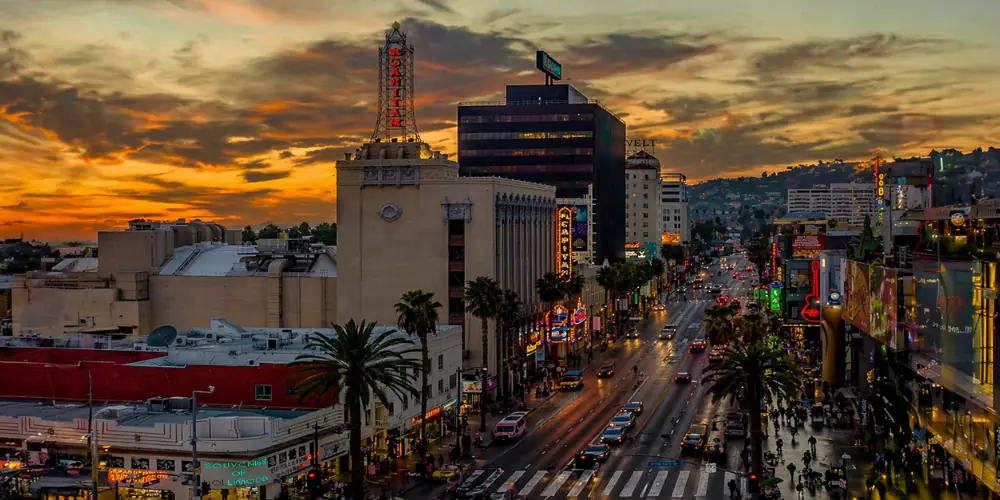
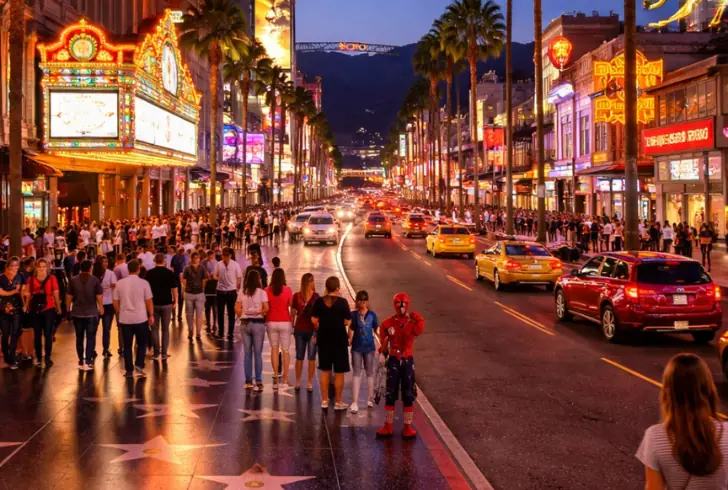
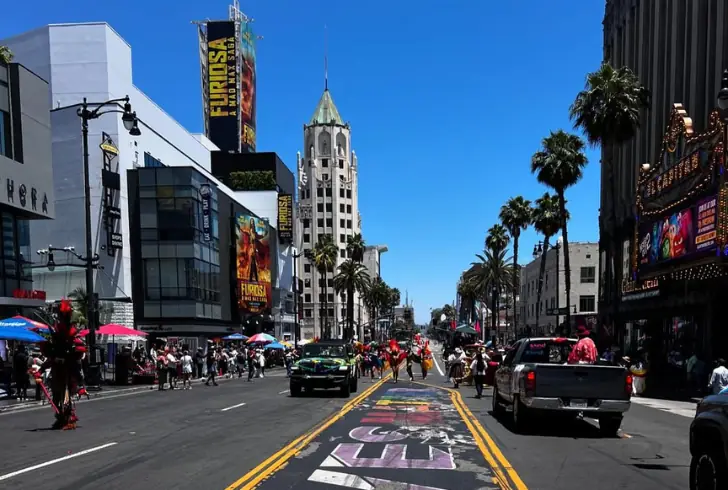
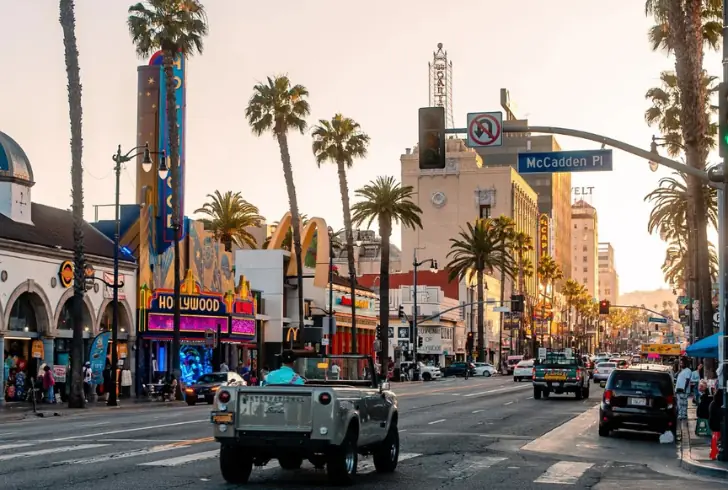
Hollywood Boulevard carries one of the most recognizable names in the world, yet the on-the-ground reality feels different from its reputation. Instead of a cultural core, it now functions as a fast-moving tourist corridor.
The difference between expectation and reality continues to grow. While Hollywood produces highly curated experiences, the street associated with it struggles to maintain cohesion or purpose.
That disconnect leads to a pressing question: what happened to its identity?
A Street That No Longer Reflects Its Name
Once a symbol of creativity and ambition, Hollywood Boulevard has gradually shifted over recent decades. Long-time observers point to a declining atmosphere and increasing commercialization.
This affects more than just the local area. Hollywood’s global reputation depends on physical symbols, and when those symbols feel diluted, the brand weakens.
A major moment came when the Oscars announced they would leave the Dolby Theatre in 2029, relocating to downtown Los Angeles.
The Dolby Theatre has hosted the ceremony since 2002 and was built specifically for it, making its departure especially significant.
Plans Without Execution
Several redesign proposals have been discussed over the years, focusing on walkability, public space, and infrastructure improvements. However, most remain unimplemented.
However, most of these efforts stall before meaningful change happens. The challenge is not a lack of vision—it is the lack of follow-through. Turning concepts into reality requires difficult decisions, including working with property owners, addressing tenant quality, and committing to long-term improvements.
Instead, the pattern repeats: new proposals, public presentations, and little visible progress. The result is a cycle that maintains the status quo while giving the appearance of action.
Many redevelopment strategies focus heavily on physical design. While street improvements matter, they do not solve the core issue. A well-designed space still needs a reason for people to stay.
Hollywood Boulevard currently caters mostly to short-term visitors. Tourists arrive, take photos, make quick purchases, and leave. This pattern creates limited engagement and minimal connection to the area.
The real challenge lies in redefining the purpose of the street. Without meaningful activity and community presence, even the most attractive design will feel empty.
The Need for a Balanced Community
The current dynamic on Hollywood Boulevard heavily favors tourism. Estimates suggest a ratio of ten visitors for every one resident or worker. That imbalance shapes everything—from the types of businesses that open to the overall atmosphere.
A more sustainable model would aim for balance. A five-to-five ratio between visitors and locals could create a more stable and engaging environment.
Bringing Creativity Back to Street Level
Key elements include theaters, rehearsal studios, and innovation hubs.
The Challenge of Rising Costs
Rising rents push creative groups out.
A Coordinated Approach to Development
Structured planning is needed for consistency.
Rethinking Underused Spaces
Parking areas could become rotating public markets and creative zones.
Signs of Untapped Demand
Demand exists, but infrastructure has not yet caught up with it.