Hollywood has returned to a genre that once ruled theaters and now commands streaming charts: romance. After years dominated by superhero franchises and recycled properties, studios are once again investing in stories built on longing, chemistry, and emotional stakes.
Recent box office wins and streaming milestones show that romance adaptations are no side trend—they are driving serious revenue and reshaping production strategies.
From theatrical releases to streaming exclusives, romance is pulling audiences back with force.
Box Office and Streaming Wins Signal a Shift
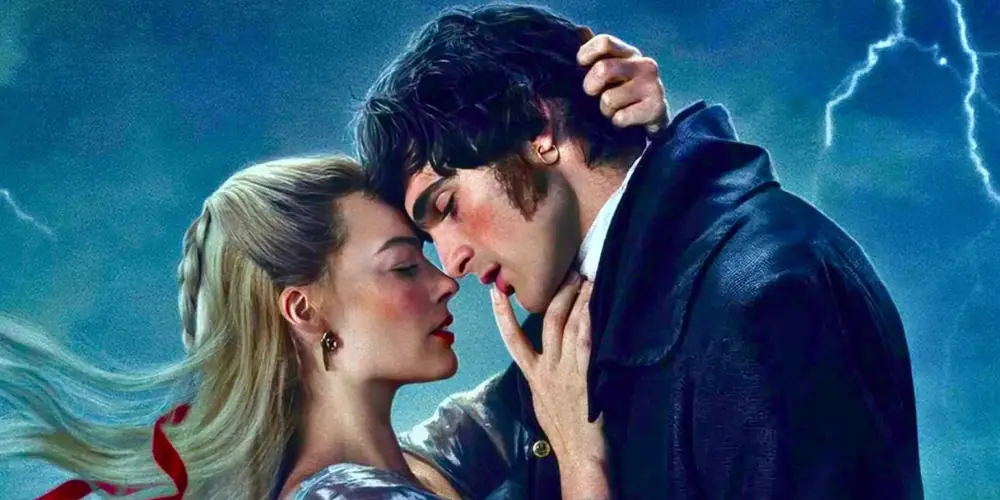
The latest adaptation of “Wuthering Heights,” starring Margot Robbie and Jacob Elordi, revived interest in classic literary love stories and delivered strong weekend numbers. On streaming, “People We Meet on Vacation,” based on Emily Henry’s bestselling novel, climbed to the top of Netflix’s movie rankings shortly after its January debut.
Meanwhile, “Heated Rivalry,” adapted from a gay hockey romance novel, has grown into a cultural force within three months of release. Its rapid rise proves that audiences are open to diverse love stories across formats.
Industry insiders credit this surge to a renewed focus on core readers. Studios now recognize the influence of built-in fan bases, especially those cultivated online. As a result, authors are securing six- and seven-figure deals, turning romance writers into high-demand collaborators.
Lauren Levine, producing partner of Colleen Hoover, summed it up clearly: “Audiences want to feel the yearn.” Her adaptation of “It Ends With Us,” produced on a $25 million budget, generated more than $351 million worldwide. The next adaptation, “Reminders of Him,” backed by Universal Pictures, is scheduled for a March release.
Levine also addressed common misconceptions about the genre’s appeal. “A lot of people think, ‘Oh, it’s about the sex,’” she said. “The books are spicy, yes, but that’s the least interesting part. It’s about the connection and the yearning and the romance.”
The Power of BookTok and Digital Fandom
A major driver behind the current boom is BookTok, the online reading community that gained traction during the Covid-19 pandemic. With limited in-person interaction, readers turned to digital spaces to share reviews, highlight favorite scenes, and promote romance titles—often labeled as “smut” for their explicit content.
This digital momentum has propelled long-published novels onto bestseller lists almost overnight. Producers now view these communities as reliable indicators of demand. When readers rally behind a title, studios listen.
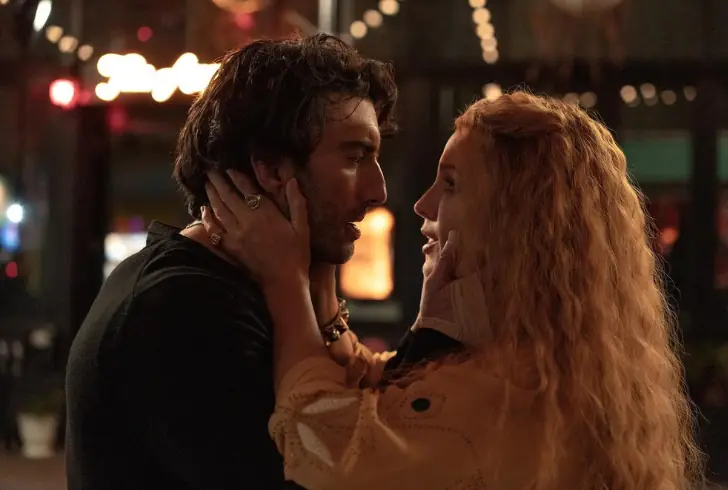
To engage that audience, Netflix hosted a summer-themed Los Angeles premiere for “People We Meet on Vacation” in January. Dozens of BookTok creators attended through fan sweepstakes. Guests received special book editions and film-branded merchandise, reinforcing the link between page and screen.
The following day, Netflix confirmed two additional adaptations of Emily Henry novels: “Funny Story” and “Happy Place.” The streamer has effectively positioned itself as the home of the unofficial Emily Henry universe.
Kira Goldberg, Netflix’s vice president of film, noted that romance audiences were overlooked for years. “Audiences have always loved romance,” she said. “It’s just that the theatrical studios stopped making them for a time, and the streamers picked up the opportunity.”
According to Parrot Analytics, romance book adaptations accounted for 4.5% of Netflix’s streaming revenue from 2020 through the third quarter of 2025. Top-performing titles include “Outlander” (licensed after its run on Starz), “Bridgerton,” and “You.”
Studios Compete for Romance Authors
Demand for romance properties now drives competitive bidding. Mirabel Michaelson, an agent at United Talent Agency, confirmed that buyers frequently request romance titles. She represents Ali Hazelwood, whose novel “The Love Hypothesis” is in development as a film with Amazon MGM Studios.
Interestingly, “The Love Hypothesis” began as “Star Wars” fan fiction centered on Rey and Kylo Ren. The project has since evolved into a major studio production, and interest in Hazelwood’s upcoming work continues to grow.
Casting plays a defining role in these adaptations. According to WME agent Mary Pender-Coplan, who represents Emily Henry, satisfying core readers is essential. When fans feel respected, broader audiences follow.
Producer Elizabeth Cantillon, who previously worked at Sony Pictures overseeing the James Bond franchise, compared the pressure to casting Daniel Craig. “We had to respect the fans, but we couldn’t just make a movie for the fans,” she explained.
In a nod to the source material’s origins, filmmakers cast Tom Bateman—husband of Daisy Ridley, who portrayed Rey in “Star Wars”—as the male lead in “The Love Hypothesis.” Although the decision was not based on that connection, fan reactions were immediate and enthusiastic.
Budgets, Strategy, and Genre Expansion
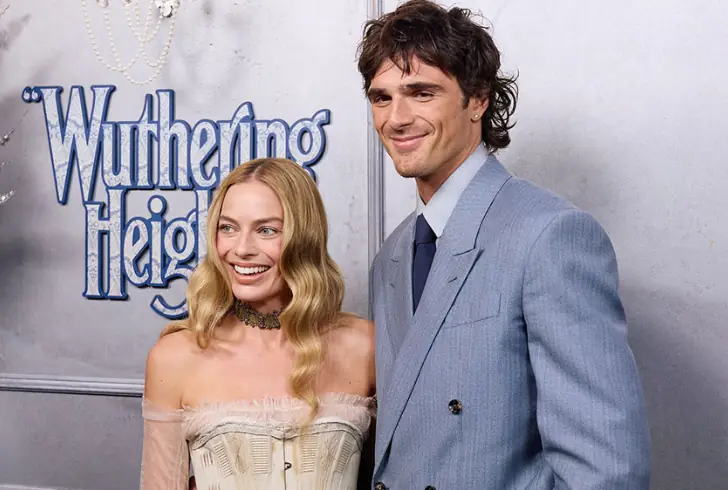
Most romance adaptations operate within a $25 million to $40 million budget range, making them financially practical compared to tentpole productions. The recent “Wuthering Heights,” directed by Emerald Fennell, carries a larger budget near $80 million. Even so, the genre remains cost-efficient and less reliant on A-list casting, allowing producers to prioritize chemistry and authenticity.
Streaming platforms have also filled a gap left by traditional studios, which focused heavily on superhero properties during the past decade. Romance titles now serve as steady performers with high rewatch value.
The genre itself has broadened. “Romantasy,” blending romance with fantasy, has gained traction. Rebecca Yarros’ “Fourth Wing” is being developed as a series for Amazon Prime Video by a production company led by Michael B. Jordan. Cantillon’s company is also adapting “Quicksilver” for Netflix.
Audience viewing habits support this direction. Classic romantic comedies from filmmakers such as Nancy Meyers and Nora Ephron continue to attract repeat streams. Their films maintain steady engagement years after release.
Warner Bros. recently approved Meyers’ next romantic comedy, set for a Christmas Day 2027 theatrical release. Meyers acknowledged the announcement on Instagram with a simple message: “See you at the movies!”
Why Romance Feels Essential Again
Romance adaptations have become a strategic priority for studios. With built-in fan communities, manageable production budgets, strong streaming retention, and global box office appeal, they offer both creative opportunity and financial stability.
Studios recognize that audiences crave emotional depth alongside spectacle. While franchise films remain profitable, romance fosters connection, repeat viewings, and organic word-of-mouth.
This resurgence reflects generational demand for love stories that mirror evolving relationships, identities, and cultural shifts. As streamers identified an underserved audience, traditional studios followed, partnering closely with authors to develop new projects.
With major adaptations in development, expanding subgenres like romantasy, and digital fan bases influencing greenlights, romance now holds a solid place in theaters and on streaming platforms.