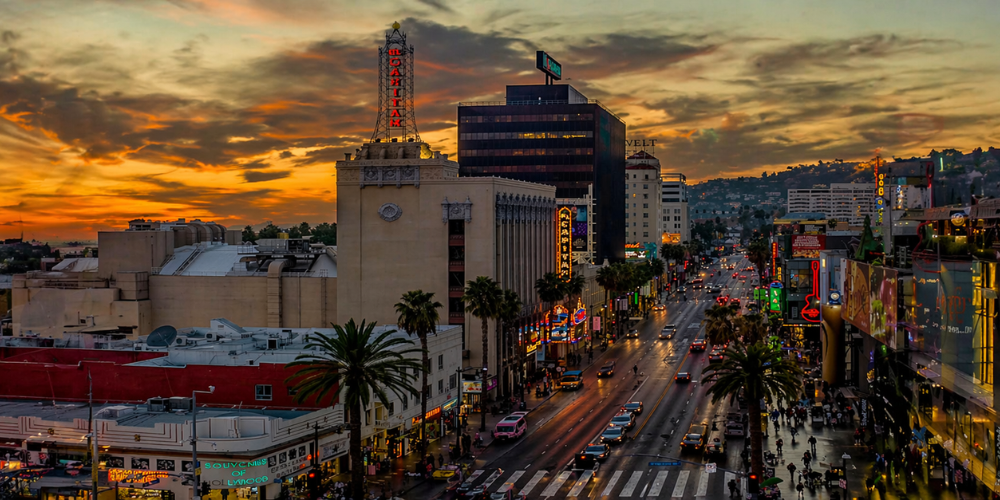
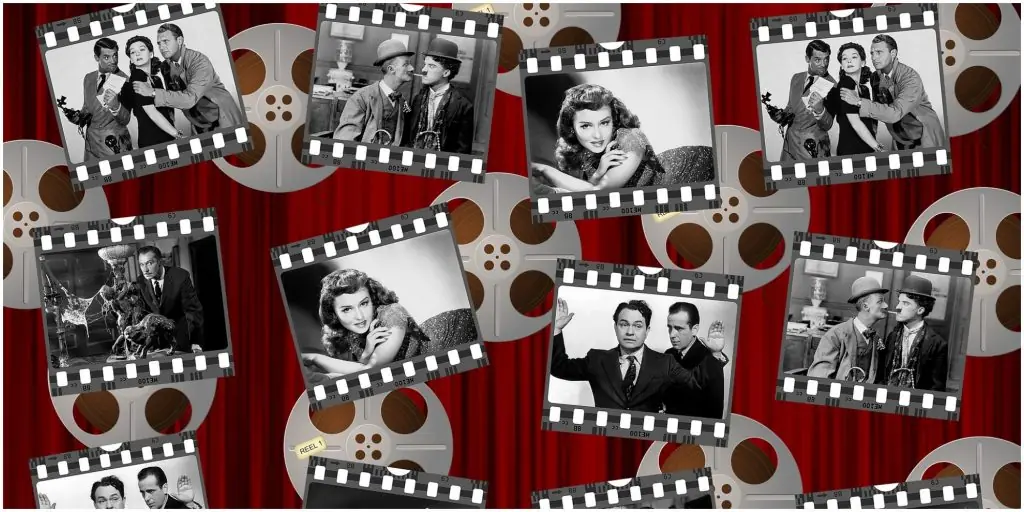
Any film buff has surely heard about the term Classical Hollywood Cinema. The term is popular among film critics who use it to describe a type of filmmaking that represented American cinema between the post-World War I era and the 60s decade. With time, this type of filmmaking turned out to be the most powerful and pervasive across the globe.
Classical Hollywood Cinema is also popular as the Golden Age of Hollywood, classical Hollywood Narrative, classical continuity, and Old Hollywood. The entire classical genre falls under three distinct eras – early narrative film, maturation of the silents, and classical Hollywood cinema in the sound era. If you are a movie buff, you might find these interesting.
Early Narrative Film (1894 – 1913)
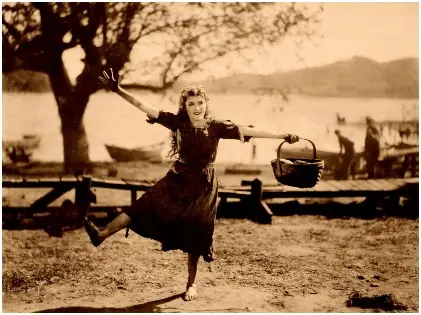
The theatre has always been the visual form of art for centuries if you talk of narrative storytelling. And that is something we cannot deny! Since the middle of the 1890s, filmmakers wanted to capitalize on the power and essence of live theatre. And they succeeded in reflecting it on the silver screen. Most of these filmmakers began their journey as directors on the stage towards the end of the 19th century. Similarly, quite a good number of actors used to perform in theatrical melodramas previously.
The early narrative work had made use of little from theatre, and the narratives they came up with had very little to do with melodrama. Before the visual style of Classical Hollywood Cinema came into existence, film making was different. Shooting the scenes and choreographing the stage was a way to showcase the plot and highlight the characters’ relationships. There were mostly close-ups.
Maturation of The Silents (1913 – the late 1920s)
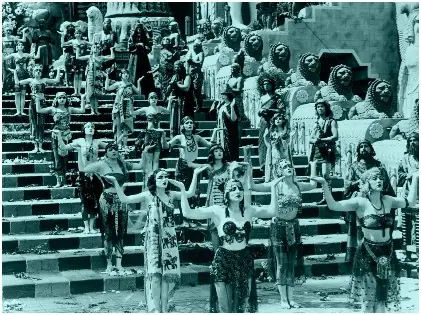
Though films are far from reality which is pretty much a characteristic of stage work, they offer the filmmaker ample opportunity and freedom to play with time and space. Based on that, they form an illusion of the stage’s realism. By the time 1910 arrived, filmmaking had already started making good use of its artistic potential.
This particular period of filmmaking went on to be popular as a Golden Age of films in Scandinavian countries like Sweden and Denmark. The credit for this artistic change that everyone witnessed in America goes to David W. Griffith and other filmmakers of his league. During that period, films worldwide slowly started adopting narrative and visual elements that were pretty much prevalent in Classical Hollywood Cinema.
The year 1913 is rather constructive and famous as enterprising filmmakers hailing from different countries set very high standards. This includes L’enfant de Paris, Ingeborg Holm, The Mothering Heart, etc. The influence of the filmmaking that Griffith came up with was unmatched globally, especially in America. His actors who worked with him on his films had similar influences.
His epic, The Birth of a Nation in 1915, was nothing short of an epic. To describe it better, it was a masterpiece. It was a perfect blend of literary narrative and a host of innovative visual techniques. The year 1913 was a global landmark in filmmaking, but in America, it was 1917. The Classical Hollywood Cinema era started to rule the American film medium by 1917.
Classical Hollywood Cinema in the Sound Era (the late 1920s – 1960s)
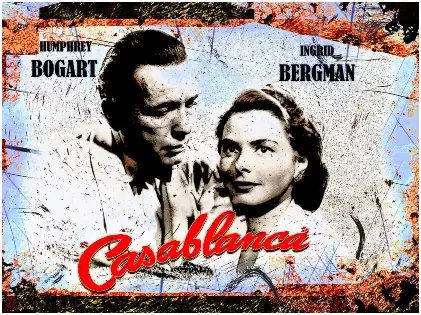
Post the transition to sound-film production, there was a noticeable development in the classical Hollywood style in terms of the narrative and visual style. In American filmmaking, the main changes originated from the film industry.
The enhancement of the sound system was probably the stepping stone. This way of production was prevalent along with th star system that ruled the roost. And it was there even before the sound became part of filmmaking.
By the time the 20s decade was halfway through, most popular American actors and directors were compelled to take part in the brand new studio system. And they had to give up the independent ventures they were part of since the initial half of the 1910s, to adopt a new working model. It gave birth to classics like Gone with the Wind, Wuthering Heights, The Hunchback of Notre Dame, and The Wizard of Oz were all from that era.
This particular style of filmmaking did have critics who were not in favor of the shortage of realism. Therefore, later on, what came up is the post-WWII era, which was more realistic.